First Friday Art Tour

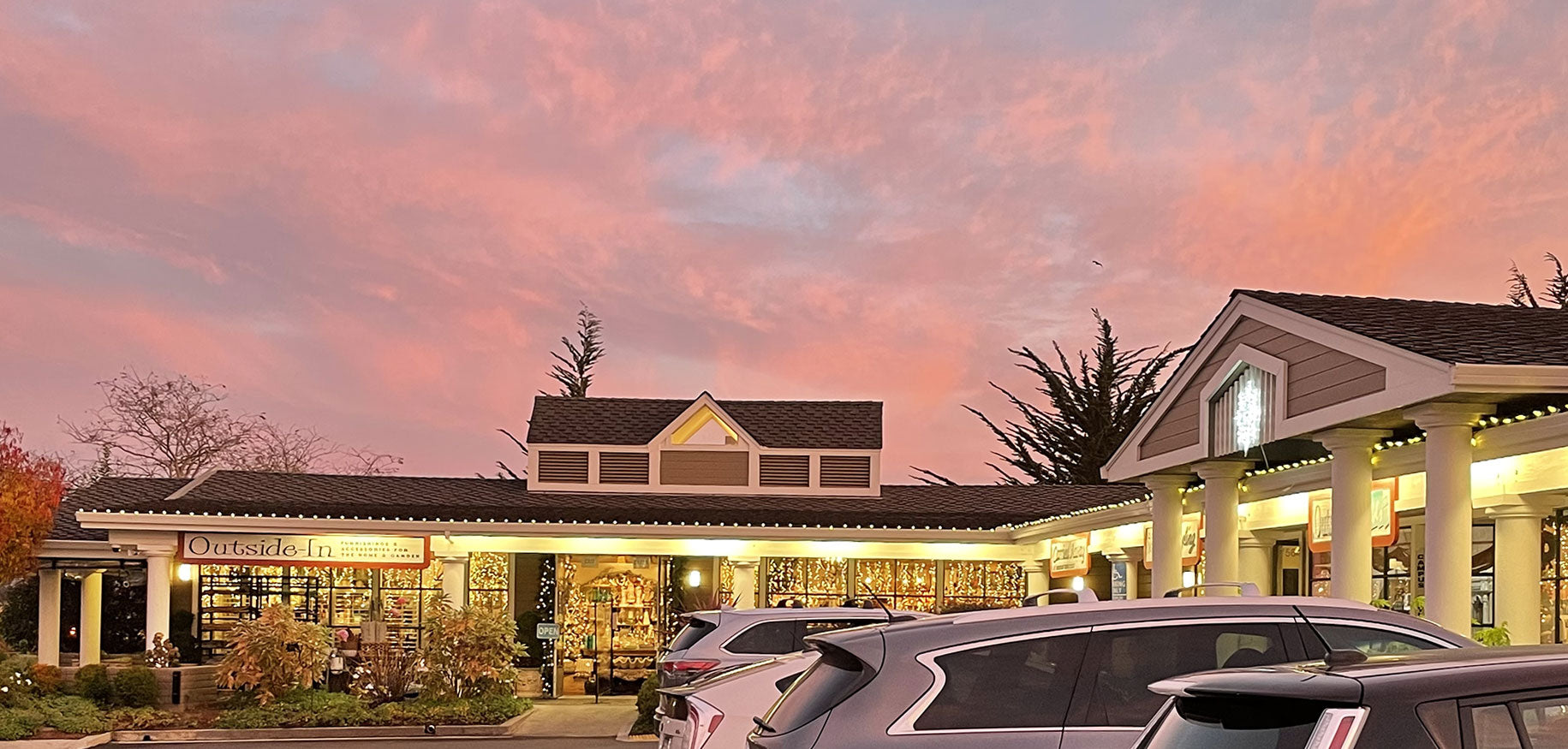
The store before First Friday.

The first Friday of every month is the First Friday Art Walk here in Santa Cruz, CA. The True Olive Connection has become a key destination on this art walk. You have to be ready for an event like this.

First Friday Art Tours

First Friday in full swing!

So stop by and say hello, or “OPA!” if you prefer. This party gets to be swinging pretty quickly, so come early to enjoy the ambiance, art, and complimentary foods. Or maybe come for the always complimentary tasting’s of our estate grown olive oils and balsamic vinegars, and you might just see some familiar faces.

Sicilian Lemon Chicken with Raisin-Tomato Sauce

“Seared lemon chicken breasts are complimented with a sweet and tangy sauce and served over angel hair pasta. A garnish of lemon zest, shaved Parmesan cheese, and a basil sprig lends this dish a professional look.” — Larry Elder

Original recipe makes 4 servings

3/4 cup golden raisins

3 tablespoons True Olive Connection lemon extra virgin olive oil

1 medium onion, halved and thinly sliced

1 tablespoon minced garlic

2 tablespoons pine nuts

2 tablespoons chopped black olives

2bay leaves

1/4 teaspoon dried oregano

1/4 teaspoon cayenne pepper

1 (15 ounce) can diced tomatoes, drained

salt and pepper to taste

1 tablespoon Sicilian Lemon balsamic vinegar

1 teaspoon white sugar

2 tablespoons julienned fresh basil

1 (16 ounce) package of angel hair pasta

1 tablespoon extra virgin olive oil

4 (6 ounce) skinless, boneless chicken breast halves

1lemon, zested and juiced

1/4 cup shaved Parmesan cheese

4 sprigs fresh basil

READY IN ABOUT 1½ hrs

Directions

1. Soak the raisins in warm water until they plump, about 10 minutes. Drain and set aside.

2. Heat 3 tablespoons of olive oil in a saucepan over medium-high heat. Stir in the onion, garlic, pine nuts, and olives. Season with bay leaves, oregano, and cayenne. Cook until the onions have softened and begun to turn golden, about 5 minutes. Stir in the tomatoes and season with salt and pepper; cook for 5 more minutes. Add the raisins, balsamic vinegar, and sugar; cook, stirring occasionally until thickened, about 5 more minutes. Remove the bay leaves, and stir in the julienned basil. Cover and keep warm.

3. Bring a large pot of lightly salted water to a boil. Add pasta and cook for 8 to 10 minutes or until al dente; drain.

4. While the pasta is cooking, heat the remaining 1 tablespoon of olive oil in a skillet over medium heat. While the skillet is heating, toss the chicken with the lemon juice to coat (the lemon zest will be used later). Cook the chicken on both sides until golden brown and the juices run clear, about 15 minutes. Transfer to a warm plate, and allow to rest for about five minutes.

5. To serve, slice each chicken breast against the grain into thin slices. Divide the pasta into four wide, shallow bowls. Fan the chicken slices out over top of the pasta, and spoon the tomato sauce over them. Sprinkle with lemon zest, Parmesan cheese, and a sprig of basil to garnish.

The Truth on Olive Oil Health

My interest in olive oil began in 1984, when I joined The Miriam Hospital in Providence, Rhode Island, a major teaching affiliate of the Brown University medical school. The American Heart Association had just released a new set of diet guidelines which recommended that patients reduce the fat in their diet to no more than 30% of total calories. One of my tasks at the hospital was to test these guidelines by designing diets to decrease the risk of heart disease. From the beginning, I saw that as dietary fat decreased, the lipids of the patients were getting worse, with consistent increases in fasting triglycerides, and decreases in HDL (the so-called “good cholesterol”).

To understand why this was happening, I started exploring the literature on how dietary fat is related to a wide range of diseases. One of the first studies I read was the Seven Country Study led by Ancel Keys, an American epidemiologist who researched Mediterranean dietary regimes in the 1950s-1980s, and was one of the founders of the so-called “Mediterranean diet.” Keys looked at heart disease rates around the world and tried to relate them to various factors, including diet. I remember being intrigued to learn that the men on the island of Crete ate more than 40% fat, but their heart disease rate was over 80% lower than what was seen in the US. The diet fat for the men on Crete was mainly from olive oil, so I thought, “How can total fat in the diet be a health risk, if Mediterraneans eat so much olive oil and yet have low rates of heart disease?”

In subsequent years I became increasingly interested in olive oil, as I continued to read study after study that showed olive oil’s wide-ranging health benefits. Nutritional research studies routinely produce apparently conflicting results involving the same foods, often due to the study design, the participants used, or the food source of the nutrient. Yet somehow, the research on olive oil was different: studies involving olive oil have consistently revealed health benefits, and a relation to decreasing diseases. I found this fascinating, especially since at the time US health officials had begun to recommend low-fat diets to fight most chronic diseases, as well as for weight loss.

In fact, I have never supported the use of low-fat diets for any reason. In 1999 I co-authored a book for laypeople that presented the literature on low-fat diets, showing that they were neither healthy nor effective (Low-fat Lies, Lifeline Press, 1999). Low-fat diets aren’t effective for weight loss either: so long as you lower calories, the proportions of fat, protein and carbohydrates aren’t important for losing weight. What’s more, to keep weight down long-term, people have to stay on the diet, and for this to happen it helps a lot to like the diet. For me, in fact, the main problem with low-fat diets was the hunger that resulted from reducing dietary fat. Hunger is one of the main reasons people stop a weight loss diet.

Yet for reasons that I don’t fully understand, the media as well as many health officials and scientists jumped on the low-fat bandwagon, and somehow made “Mediterranean” synonymous with “fat.” I saw this in a conversation with my editor of Low-fat Lies. She asked me what diet I would recommend, and I said, “a Mediterranean diet.” Her response was, “Wouldn’t people gain weight on a high-fat diet like that?” What’s more, the label “Mediterranean diet” is widely misused, even by serious scientists. Some researchers term their diet “Mediterranean” if it includes canola oil, or has a ratio of monounsaturated to saturated fats similar to that in olive oil – even where the main source of monounsaturated fat isn’t olive oil at all, but red meat! Real Mediterraneans would never recognize such an olive-oil-free diet as their own.

I developed a weight-loss diet based on the basic eating principles observed around the Mediterranean by Ancel Keys and others, and widely practiced by Mediterranean populations today. To avoid confusion, however, I didn’t call it a “Mediterranean diet,” but a “plant-based olive oil diet” instead. It contained 2 to 3 tablespoons of extra virgin olive oil a day, which are used to cook vegetables, dress salads, dip bread, etc. Over 40% of the calories in the diet came from fat, primarily from the olive oil (as well as nuts). I thought that including olive oil at lunch and dinner would help to decrease hunger between the meals and as long as the calories were lowered, there would be weight loss. I recruited 10 women from the staff at Brown University and asked them to follow the diet for 8 weeks. From the first week of the diet they started to remark, “I am not hungry, and I am losing weight!” I invented new recipes so that they could make complete meals of olive oil, vegetables and a starch source (pasta, rice, potatoes, legumes), without having to include meat, poultry or seafood. (I don’t include meat, poultry or seafood in my recipes as these are not foods that will improve your health. In fact, their extra protein can actually lead to weight gain, as we do not store protein as protein, but break it down and store it as fat.)

(more…)

Chipotle Chocolate Stout Braised Short Ribs with Beer Brassica Slaw

An alternative to the traditional St. Patrick’s Day meal of Corned Beef and Cabbage comes from Santa Cruz Mountain Brewing. Owner Emily Thomas prepares the short ribs with SCMB’s Chipotle Chocolate Stout, but says it will work with any good stout—even Guinness! For the slaw use a lighter brew. To find out how to pair beer and food and for more on cooking with beer, see EMB’s article “I’ll have a beer with that.”

Short Ribs
1 rack beef short ribs, about 2 1/2 pounds, cut into 4-ounce portions
2 tablespoons of Chili powder
2 tablespoons chipotle olive oil from the True Olive Connection
1 tablespoon soy sauce
3 tablespoons bittersweet cocoa powder
1 medium red onion, sliced
4 cloves garlic, peeled and chopped
6 tablespoons Worcestershire sauce
6 tablespoons light brown sugar
1 22 ounce bottle of Thy Twisted Sister (chipotle chocolate stout – Santa Cruz Mountain Brewing) or Chipotle Stout (Rogue Brewing) or any good Stout
salt and pepper to taste
Directions
Season both sides of the ribs with the chipotle chile powder, salt and pepper.
Preheat the oven to 350 degrees F.
In a dutch oven, add oil and sear ribs on all sides. Add the soy sauce, cocoa powder, onion, garlic, Worcestershire sauce, brown sugar, kosher salt, and stout to the roasting pan, and bring to a simmer over medium-high heat. Adjust the seasoning, to taste, and tightly cover, and transfer to the oven. Cook until the ribs are tender and fall from the bones, about 3 to 3 1/2 hours.
Beer Brassica Slaw
1 head of cabbage or your favorite brassica (kohlrabi, etc).
1 bunch of cilantro
1 red onion
1/4 cup of Organic IPA (Santa Cruz Mountain Brewing), Torpedo (Sierra Nevada) or your favorite IPA
2 limes
1 tablespoon salt
Ground pepper
Directions
Shred cabbage and red onion. Chop cilantro finely and mix with cabbage and red onion. Season with lime juice, IPA, salt and pepper. Serve.

Mediterranean Diet Helps Heart Health, Study Says

According to an article in US News…

For Heart Health, Cut the Red Meat and Bring on the Olive Oil, Fruits, and Nuts

Those looking to cut their risk of heart disease (and who isn’t?) may want to follow a Mediterranean diet, according to a major study published Monday in the New England Journal of Medicine. Researchers worked with about 7,500 participants in Spain, all of whom were either overweight, smokers, had diabetes, or had other heart disease risk factors, reports The New York Times. These people were randomly assigned to one of three groups: Two followed variations of the Mediterranean diet, and one group followed (and struggled with) a low-fat diet. Over the next five years, participants following a Mediterranean diet were about 30 percent less likely to suffer from heart attacks, strokes, and deaths from cardiovascular disease, reports The New York Times. “Now along comes this group and does a gigantic study in Spain that says you can eat a nicely balanced diet with fruits and vegetables and olive oil and lower heart disease by 30 percent,” Steven Nissen, chairman of the department of cardiovascular medicine at the Cleveland Clinic Foundation, told The New York Times. “And you can actually enjoy life.”

Read the article by Laura McMullen

New Harvest Is Upon Us

Behold brand new oil being crushed in Spain by one of the most celebrated and decorated mills in the world, Oro Bailen. This picture was taken yesterday on location by Mike & Veronica Bradley. Mike and Veronica are traveling around the Mediterranean as our many partner mills crush Ultra Premium Extra Virgin Olive Oil exclusively for Veronica Foods based on our exacting Ultra Premium specifications. This is such an exciting time for us and for those who adore superlatively fresh extra virgin olive oil. The extra virgin olive oil pictured will arrive within 45 days!

Pan Roasted Roman Cauliflower with Caramelized Garlic, Red Pepper & Pecorino Over Hand Made Pappardelle

Even without the “wow factor” of making your own fresh pasta, this simple, visually interesting dish has plenty of “wow” factor to go the flavor mile.

Choosing the right extra virgin olive oil to use in this dish was crucial with so few ingredients involved. The simple yet luxuriant sauce relies heavily on the olive oil used.

For this application, I went with Arbequina Olive Oil. It had the right herbaceous apple-peel notes and just enough pepper which juxtaposed perfectly with the earthy-nuttiness of the roasted cauliflower, sweet caramelized garlic, and savory saltiness of the Pecorino cheese. The taste testers (my family) which included two young kids, declared love at first bite! Everyone exclaimed that it was absolutely amazing! So I declared this meatless dish a healthy, easy weeknight meal if you use dried pasta or a dish to serve for a special occasion if you choose to make your own fresh pasta.

Pan Roasted Roman Cauliflower with Caramelized Garlic & Pecorino over Pappardelle
1 large head of Green Roman Cauliflower florets only (regular cauliflower can be substituted)
8 medium cloves of garlic (sliced thin)
1/2 cup TOC Arbequina Olive Oil
1/2 teaspoon red pepper flakes (optional)
1/2 cup good quality fresh grated Pecorino cheese
1/2 cup heavy cream
sea salt & fresh ground pepper to taste

If using, make the homemade pasta an hour in advance of proceeding with the rest of the recipe. If using dried pasta, boil the pasta in the water that was used to blanch the cauliflower.

Bring a large pot of salted water to a boil. In a large saute pan, heat the Arbequina over medium heat. Add the garlic and saute until light golden brown (be very careful not to burn the garlic) Blanch the cauliflower florets for 2 minutes. Remove, drain, and add to the saute pan with the garlic along with the red chili flakes.
Meanwhile, boil the fresh pasta for two minutes in the same water used to blanch the cauliflower.
Saute the cauliflower, garlic and chili flakes for a few more minutes over medium-high heat until the cauliflower begins to get toasty golden brown around the edges. Add one cup of pasta water, the Pecorino, and cream to the pan with the cauliflower and garlic. Simmer for a minute until slightly thickened, and add a few grinds of fresh ground pepper. Add the well drained pappardelle to the pan and toss to coat the pasta and distribute the cauliflower florets. Adjust seasoning with salt to taste. Add more cheese to serve.

Makes 4-6 servings

Homemade Pappardelle
1 1/2 cup unbleached all purpose flour
1/2 cup semolina flour
3 large, fresh eggs
1 tablespoon Arbequina Olive Oil
a pinch of sea salt

Pulse the dry ingredients in the food processor, add the eggs and pulse until a ball forms. Knead for about a minute until the ball becomes smooth. wrap in plastic or cover with a bowl and allow to the dough to relax for an hour. divide the dough dish into 8 equal pieces and run them through your pasta machine through setting #6. Cut the sheets in to pappardelle sized noodles and arrange on racks or dust with flour to prevent sticking.

Chicken, Caramelized Onions, and Wild Mushrooms Over Pappardelle Sauced With A Creamy Bacon-Thyme-Balsamic Reduction

Ingredients
1 1/2 pounds free-range, boneless skinless chicken thighs or breast tenders.
4 thick strips smoked bacon, diced
1 large sweet onion sliced thin
8 oz. assorted wild mushrooms, sliced (cremini mushrooms will work in a pinch)
4″ piece of fresh thyme, stem discarded
1/4 cup Traditional Style Balsamic Condimento or Juniper Berry Balsamic Condimento
2 tablespoons of fruity-floral Extra Virgin Olive Oil such as Hojiblanca, Picual, or Koroneiki or Wild Mushroom-Sage infused olive oil
1/2 cup heavy cream
sea salt & fresh ground pepper to taste
1 pound pappardelle pasta or wide egg noodle pasta, cooked and drained

Directions
In a large heavy skillet over medium-high heat, brown the diced bacon to a crisp. Remove the bacon from the pan and reserve. Pour off all but a tablespoon of the bacon fat. Season the chicken on both sides liberally with salt and pepper Add the olive oil to the pan, place it back over the heat, and allow it to heat for a minute over medium-high heat.

Saute the chicken for a few minutes until golden brown on both sides, in batches if necessary. Do not over-crowd the pan. Remove the chicken to a plate and reserve.

Add the onions to the drippings in the pan. Cook for about five minutes, stirring frequently until the onions become a soft golden brown. Add the mushrooms. Saute for approximately three more minutes over medium high heat until the mushrooms are browned and slightly caramelized.

Add the fresh thyme leaves and balsamic to the mushrooms and onions, de-glazing the pan by scraping up any browned bits from the bottom. Cook to reduce for a minute. Add the cream and stir to combine. Add the bacon and reserved chicken. Allow the pan to come to a simmer. Cook for another two minutes until the chicken is cooked through and the sauce thickens. Season generously with sea salt and fresh ground pepper. Serve over pasta, rice, or cooked whole grains.

Quince Butter with Pomeganate-Quince White Balsamic Condimento

white balsamicFresh quince can be elusive. But this is definitely the season in which to find them. In light of the fact that they’re not edible, or at least enjoyable in their raw state, they have not found popularity in the market like other fall/winter fruits.

That being said, I am smitten with this chameleon of the fruit world. When its bumpy-ugly mug is cut open, fragrant creamy-white flesh is exposed. Then magically its flesh turns the most festive cranberry-red color when cooked for a few hours. The aroma of quince is jaw dropping, boasting notes of apple, flowers, and tropical fruit. It is at once intoxicating and comforting.

While it simply begs to be eaten out of hand, don’t be lured by its siren song! Instead, follow my recipe below and you will be rewarded with a rare, otherworldly condiment perfect for pairing with cheeses, roasted meats such as pork, chicken, or turkey, or slathering on buttered, toasted crumpets.

Ingredients
2 pounds fresh quince peeled, cored, and cut in to 2″ chunks
1 cup Pomegranate-Quince White Balsamic Condimento or Plain White Balsamic Condimento
1 cup granulated sugar
2 +/- cups water (or enough to barely cover the quince)
1/4 teaspoon of sea salt
1 split vanilla bean, or 2″ cinnamon stick (optional)

Instructions
Place the balsamic and sugar in a heavy 3+ quart pot, and slowly heat and swirl to dissolve the sugar over medium heat. Add the quince and just enough water to cover. Bring the contents to a steady, gentle simmer over medium-low heat. Cook slowly, partially covered for 2 hours making sure there is enough liquid in the pot to prevent scorching.

Remove the pot from the heat and allow it to cool slightly. Puree the entire contents using a food processor or blender. The quince butter will thicken substantially as it cools, as quince is high in natural pectin. Once cool, jar and refrigerate for up to one month. Alternatively, this can be heat processed or canned for shelf stability.

This is particularly enchanting served with salty, briny, or nutty cheeses on cheese plates. It is also fabulous with a Monte Cristo, or instead of cranberry in traditional leftover turkey sandwiches, on PB&J, or just slathered on toasted bread.

Lemon Rosemary Olive Oil Cake

The dessert is refreshing and lovely with a cup of tea or coffee

Cooking Spray

1/2 Cup True Olive Oil Connection’s Eureka Lemon Olive Oil
2 Tbsp. all purpose flour+ 13.5 oz. additional (about 3 cups)
1 1/2 Tbsp. finely chopped fresh rosemary
2 tsp. baking powder
1/2 tsp. baking soda
1/2 tsp. salt
1 1/2 cups granulated sugar
1/2 cup olive oil
1/2 cup fat-free milk
2 tsp. grated lemon rind
1/4 cup fresh lemon juice
1/2 tsp. vanilla extract
1/4 tsp. lemon extract
3 large eggs
1 cup powdered sugar
1 Tbsp. fresh lemon juice
Fresh rosemary sprig (optional)

Preheat oven to 350 degrees. Coat a 10-inch tube pan with cooking spray. Dust with 2 tablespoons flour. Weigh or lightly spoon 13.5 ounces flour into dry measuring cups. Level with a knife. Combine flour and next 4 ingredients (through salt) in a large bowl. Place granulated sugar and next 7 ingredients (through eggs) in a medium bowl; beat with a mixer at low speed 2 minutes or until smooth. Add to flour mixture, beat until blended. Pour batter into prepared pan. Bake at 350 degrees for 45 minutes or until a wooden toothpick inserted in center comes out clean. Remove from pan and cool for 15 minutes on wire rack. Combine powdered sugar and 1 tablespoon lemon juice, stirring until smooth. Drizzle sugar mixture over cake. Garnish with rosemary sprig if desired.


Cranberry-Pear Balsamic Glazed Butternut Squash with Rosemary

Ingredients:

1 – 2 pound butternut squash peeled, seeded and diced in to 1″ pieces (about 3 cups)

1/3 cup cranberry-pear white balsamic

1 tablespoon “sweet” fruity olive oil such as Australian Hojiblanca or Spanish Arbequina

3″ sprig fresh rosemary, leaves stripped from stem and roughly chopped

Sea salt & fresh cracked pepper to taste

Preheat the oven to 375.

In a large bowl whisk the olive oil and balsamic together until thoroughly combined, add the rosemary and squash and toss to coat and combine evenly.

In a large roasting pan lined with parchment, arrange the squash in a single layer, drizzling with any remaining marinade. Sprinkle liberally with sea salt and fresh ground pepper.

Roast the squash for 30-35 minutes, stirring a few times until golden brown and caramelized. Adjust seasoning and serve.

Confit of Tomatoes, Peppers, & Sweet Red Onions

Ingredients
1 1/2 pounds small whole sweet tomatoes such as cherry or grape
1 large red onion, sliced thin
1 red bell pepper or several smaller sweet red peppers such as Marconi, sliced thin or halved if smaller
8 large garlic cloves
1 – 2″ sprig fresh rosemary, leaves only, stem discarded (optional)
1/2 cup fresh, EVOO such as Leccino, or Frantoio
1/3 cup crisp, good quality white wine
1 tablespoon Traditional Aged Balsamic
2 teaspoons sea salt or kosher salt
Fresh ground pepper to taste

Directions
Adjust rack to middle of oven, and preheat to 300.
In a medium roasting pan (9″x13″) or a 12″ oven safe skillet, combine the first five ingredients. Whisk the wine, balsamic, and olive oil together, drizzle over the vegetables and toss to combine. Season with salt and pepper.
Place the pan on the middle rack in the oven, uncovered, and allow the vegetables to cook slowly, stirring only a few times during the process, being careful not to break the tomatoes. Slow roast for 4 – 4 1/2 hours.
The resulting confit, or tomato “jam” can be used to dress pasta, slather on crusty bread, or as an accompaniment to slow roasted meats or poultry.

Pumpkin Pancakes

Hearty Breakfast for a crisp, Fall Morning

 2 ½ cups of your favorite pancake mix (I love Sturdiwheat, and you can order it online)

1 egg

½ cup milk

1 cup fresh or canned pumpkin

2 tablespoons TOC Manzanillo extra virgin olive oil

 Mix liquid ingredients into the pancake mix and blend well. Add the pumpkin and stir. Heat the oil on the griddle. Drop by ¼ cupfuls onto a hot griddle. Serve with Maple syrup, honey, or your favorite jam!

Divine Pumpkin Olive Oil Bars with Rum Frosting

Ingredients:

Bars:
1 tsp salt
2 teaspoons cinnamon
1 ½ teaspoons ground ginger
½ teaspoon ground cloves
1 teaspoon TOC Cinnamon Pear Balsamic
1 teaspoon baking soda
1 teaspoon baking powder
2 cups white whole wheat flour ( I like King Arthur)
1 cup Brown Sugar (I use Splenda Brown Sugar Blend) If using regular brown sugar, use 1 2/3 cup.
2/3 cup TOC Roasted Walnut Oil
1/3 cup TOC Ultra Hoji Blano or Sweet Barnea olive oil
16oz fresh or canned pumpkin
4 eggs

Frosting:
Large bar of cream cheese, softened at room temperature
1 teaspoon real vanilla extract
½ cup butter
4 tablespoons dark spiced rum or bourbon whiskey (I use Capt. Morgan’s)
2 ½ cups powdered sugar
Chocolate Shavings
Chopped Pecans

Grease and flour a 10 x 13 jelly roll pan. Preheat oven to 350 degrees. Mix flour, baking soda, salt, and baking powder in bowl. Set aside. Mix the brown sugar, pumpkin, walnut oil and olive oil until well blended. Add eggs one at a time, then ground ginger, cinnamon, and cloves. Add the Cinnamon Pear Balsamic and mix for 3 minutes at medium speed. Scrape sides of bowl and begin to add the flour mixture in small amounts at low speed, until all has been well incorporated into the batter. Bake for 30 minutes at 350 or until a toothpick comes out clean. Try not to over bake. Cool bars completely before frosting.

Mix the cream cheese, vanilla extract, butter and rum on high speed until creamy and light. Add powdered sugar in small amounts until the frosting has the desired consistency. Frost the cooled bars and sprinkle chocolate shavings and pecans over all. Enjoy these amazing bars for dessert, breakfast, or just because….

With olive oil, freshness counts more than cost

A good bottle of olive oil is a requirement for just about every kitchen. From drizzling over vegetables or meats to crafting salad dressings and bread dips, a little olive oil can make your cooking sing. But how much do you need to spend for a quality olive oil, and how long will it last once opened? Is extra-virgin olive oil all that it purports to be?

We get these kinds of olive oil-related questions often at The Bee’s Food and Wine section. To help sort through the answers, we consulted two local olive oil experts: Dan Flynn, executive director at the University of California, Davis, Olive Oil Center; and Darrell Corti, the epicure and grocer who’s an internationally recognized expert on olive oil and a frequent olive oil competition judge.

Read the article in The Sacramento Bee

A Santa Cruz Weekend for Non-Surfers

From Yahoo Voices:

While it’s 2,400 miles from Honolulu, the surfing connection between Hawaii and Santa Cruz, California, is a close one. It was July 1885 when three Hawaiian princes attending military school nearby paddled out onto waves here riding wooden planks carved from redwood by a local mill. Thus surfing was introduced to America’s Pacific Coast. With a nod to surfing, let’s find out what else is going on in sunny Santa Cruz, including a brand new hotel.

Surfing Museum in a lighthouse
Even without donning a wetsuit to hang ten, visitors can appreciate this city’s surfing heritage. In 2009, the royal Kawananakoa family donated a commemorative plaque recalling the events of 1885 which is seen at the Surfing Museum on the bluffs. The history of surfing, startling evidence of shark attacks, the popular culture of surfing is fascinating even to those who prefer to stick to dry land. Housed in the Mark Abbott Memorial Lighthouse, the museum is dedicated to a young surfer who lost his life in 1986.

Read the article

Olives and vinegar
True Olive Connection is a family-owned olive oil and vinegar specialist with a downtown tasting room offering an education and a party for your taste buds. Be dazzled by the impressive display of 100 varietals, 35 olive oils and 25 balsamic vinegars for sampling, of which absolutely none taste remotely like those purchased from your grocery store shelves. Pairings such as Lemon Olive Oil with Espresso Balsamic or Walnut Olive Oil mixed with Cranberry Pear Balsamic will be suggested. Samples and tasting sheets are free.

Santa Cruz Weekend Getaway

Read the article in the Examiner

Salute the olive

Continue on from grapes to olives. True Olive Connection is a family-owned olive oil and balsamic vinegar specialist with varieties from all over the world. Their Lincoln Avenue tasting room offers both an education and a party for your taste buds. Tastings are complimentary, staff are extremely knowledgeable, and you will be in for a few delicious surprises.

Olive and vinegar pairings

Your salad will simply never be the same again. These flavors simply burst in your mouth. Be dazzled by the impressive display of 100 varietals, 35 olive oils and 25 balsamic vinegars for sampling, of which absolutely none taste remotely like those purchased from your grocery store shelves. Pairings such as Lemon Olive Oil with Espresso Balsamic or Walnut Olive Oil mixed with Cranberry Pear Balsamic are popular. Apparently, men are especially keen on the Wild Mushroom and Sage Olive Oil.

Recipes online

Imagine how Tangerine Balsamic will zest your brownies, why fennel salad will be enhanced by Milanese Gremolata Olive Oil, glazed ham will win rave reviews using Delizia Traditional Style Aged Maple or Aged Cinnamon-Pear Balsamic Condimento. Plenty of recipes and online ordering are available for those who wish to cook up a storm before they can make it to sunny Santa Cruz.

Antioxidant effect of polyphenols and natural phenols

From Wikipedia, the free encyclopedia (Redirected from Polyphenol antioxidant)

Jump to: navigation, search

Blackberries are a source of polyphenol antioxidants A polyphenol antioxidant is a type of antioxidant containing a polyphenolic or natural phenol substructure. Numbering over 4,000 distinct species, many of these compounds have antioxidant activity in vitro but are unlikely to have antioxidant roles in vivo.[1][2] Rather, they may affect cell-to-cell signaling, receptor sensitivity, inflammatory enzyme activity or gene regulation.[2][3]

Evolutionary perspective

From about 500 million years ago, freshwater and terrestrial plants slowly optimized the production of “new” endogenous antioxidants, such as ascorbic acid (vitamin C), natural phenols (including flavonoids) and polyphenols, tocopherols, etc.[citation needed] A few of these appeared more recently, in the last 50–200 million years, in fruits and flowers of angiosperm plants. In fact, the angiosperms (the flowering plants), the dominant type of plant today (and most of their antioxidant pigments) evolved during the late Jurassic period.

Sources of polyphenol antioxidants

The main source of polyphenols is dietary, since they are found in a wide array of phytochemical-bearing foods. For example, honey; most legumes; fruits such as apples, blackberries, blueberries, cantaloupe, pomegranate, cherries, cranberries, grapes, pears, plums, raspberries, aronia berries, and strawberries; and vegetables such as broccoli, cabbage, celery, onion and parsley are rich in polyphenols. Red wine,[4] chocolate, white tea, green tea, olive oil, argon oil, bee pollen and many grains are sources. Ingestion of polyphenols occurs by consuming a wide array of plant foods.

Biochemical theory

The regulation theory considers a polyphenol antioxidant’s ability to scavenge free radicals and up-regulate certain metal chelation reactions. Various reactive oxygen species, such as singlet oxygen, peroxynitrite and hydrogen peroxide, must be continually removed from cells to maintain healthy metabolic function. Diminishing the concentrations of reactive oxygen species can have several benefits possibly associated with ion transport systems and so may affect redox signaling.

The “deactivation” of oxidant species by polyphenolic antioxidants (POH) is based, with regard to food systems that are deteriorated by peroxyl radicals (R•), on the donation of hydrogen, which interrupts chain reactions: R• + POH → R-H + PO•
Phenoxyl radicals (PO•) generated according to this reaction may be stabilized through resonance and/or intramolecular hydrogen bonding, as proposed for quercetin, or combine to yield dimerisation products, thus terminating the chain reaction: PO• + PO•→ PO-OP [5]

Potential biological consequences

A macrophage stretching its arms to engulf two particles. Reactive oxygen species promote oxidized LDL and polyphenol antioxidants combat this inflammatory response.

Consuming dietary polyphenols may be associated with effects in higher animal species:

Possible reduction in inflammation such as in coronary artery disease[6][7] including specific research on endothelial cells via downregulation of oxidative LDL.[8]

Other possible effects may result from consumption of foods rich in polyphenols, but are not yet proved scientifically in humans so are not allowed as health statements by regulatory authorities like the U.S. Food and Drug Administration (FDA).[9] Among these are possible anti-aging effects in skin.[10] Further research may discern if polyphenol antioxidants have biological roles in vivo.[11][12]

Difficulty in analyzing effects of specific chemicals

Grapes contain certain polyphenol antioxidant compounds.

It is difficult to evaluate the physiological effects of specific natural phenolic antioxidants, since such a large number of individual compounds may occur even in a single food and their fate in vivo cannot be measured. For example, over sixty different chemically distinct flavonoids are known to occur in a given red wine.[citation needed] The polyphenol content of wines is usually evaluated by the Folin-Ciocalteu reagent which correlates well with alternative chemical and biological procedures for determining antioxidant potential.[13]

Other more detailed chemical research has elucidated the difficulty of isolating individual phenolic antioxidants. Because significant variation in phenolic content occurs among various brands of tea, there are possible[14] inconsistencies among epidemiological studies implying beneficial health effects of phenolic antioxidants of green tea blends. The Oxygen Radical Absorbance Capacity (ORAC) test is a laboratory indicator of antioxidant potential in foods and dietary supplements. However, ORAC results cannot be confirmed to be physiologically applicable.[2]

Practical aspects of dietary polyphenol antioxidants

Cocoa is the prime ingredient of chocolate, a source of polyphenols.

There is debate regarding the total body absorption of dietary intake of polyphenolic compounds. While some indicate potential health effects of certain specific polyphenols, most studies demonstrate low bioavailability and rapid excretion of polyphenols, indicating their potential roles only in small concentrations in vivo.[1][2][3] More research is needed to understand the interactions between a variety of these chemicals acting in concert within the human body. In particular there is evidence that some combinations of foods may inhibit efficient intestinal transfer of certain polyphenol antioxidants; refined sugars, for example, have been shown to impede this uptake under certain circumstances.[15] Furthermore caution should be exercised in attempting diets depending largely on dietary supplements as opposed to a broad array of food sources, since the quality and concentrations of beneficial chemicals in some commercial products is subject to question.

Topical application of polyphenol antioxidants

There is little evidence that reactive oxygen species play a role in the process of skin aging.[16] The skin is exposed to various exogenous sources of oxidative stress, including ultraviolet radiation whose spectral components may be responsible for the extrinsic type of skin aging, sometimes termed photoaging. It has been shown not only that increased levels of protective low molecular weight antioxidants through a diet rich in phytochemicals, but also by direct topical dermal application of low molecular weight antioxidants, notably vitamins C and E, as well as lipoic acid, may confer protective effects against oxidative stress.[16] However, controlled long-term studies on the efficacy of low molecular weight antioxidants in the prevention or treatment of skin aging in humans are absent.

Combination of antioxidants Synergistic or antagonistic effects of phenolic mixtures

Experiments on linoleic acid subjected to 2,2′-azobis (2-amidinopropane) dihydrochloride-induced oxidation with different combinations of phenolics show that binary mixtures can lead to either a synergetic effect or to an antagonistic effect.[17]

Antioxidant levels of purified anthocyanin extracts were much higher than expected from anthocyanin content indicating synergistic effect of anthocyanin mixtures.[18]

While most antioxidants go directly from an active to an inactive role, emblicanins utilize a multilevel cascade of antioxidant compounds resulting in a prolongation of its antioxidant capabilities.[citation needed] Emblicanin A (one of the key compounds in emblicanins) aggressively reacts with free radicals. After it neutralizes a free radical, emblicanin A is transformed into emblicanin B, another antioxidant. Emblicanin B in turn also reacts with free radicals and is transformed into emblicanin oligomers. This makes emblicanins one of the best free radical scavenging antioxidant.[19]

Effect in combination with another non-phenolic antioxidant

Experiments with binary mixtures of natural phenolic antioxidants with a non-phenolic antioxidant -ascorbic acid- show that phenolics exhibit antagonism when combined with this latter compound. This is described as to the regenerating ability of the most efficient antioxidant at the expense of the less efficient

one.[20] Nevertheless, experiments led with hydroxytyrosol, a major constituent of olive oil and α-tocopherol show a synergistic effect.[21]

See also

Other articles

References

  1. ^ a b Williams RJ, Spencer JP, Rice-Evans C (April 2004). “Flavonoids: antioxidants or signalling molecules?”. Free Radical Biology & Medicine 36 (7): 838–49. doi:10.1016/j.freeradbiomed.2004.01.001. PMID 15019969.
  2. ^ a b c d Frei B (April 1, 2009). “Controversy: What are the true biological functions of superfruit antioxidants?”. Natural Products Information Center. http://www.npicenter.com/anm/templates/newsATemp.aspx?articleid=23667&zoneid=273. Retrieved February 5, 2010. [dead link]
  3. ^ a b Virgili F, Marino M (November 2008). “Regulation of cellular signals from nutritional molecules: a specific role for phytochemicals, beyond antioxidant activity”. Free Radical Biology & Medicine 45 (9): 1205–16. doi:10.1016/j.freeradbiomed.2008.08.001. PMID 18762244.
  4. ^ Félicien Breton (2008). “Polyphenol antioxidants in red wine”. http://www.frenchscout.com/polyphenols.
  5. ^ Flavonoids as antioxidants: determination of radical Scavenging efficiencies. Bors W, Heller W, Michel C and Saran M. Methods in Enzymology, 1990, 186, pages 343-355, doi:10.1016/0076-6879(90)86128-I
  6. ^ Muldoon MF, Kritchevsky SB (February 1996). “Flavonoids and heart disease”. BMJ 312 (7029): 458–9. PMC 2349967. PMID 8597666. http://bmj.com/cgi/pmidlookup?view=long&pmid=8597666.
  7. ^ Zimmer, Judith; Cooke, John (2002). The cardiovascular cure: how to strengthen your self-defense against heart attack and stroke. New York: Broadway Books. ISBN 0-7679-0881-3.
  8. ^ Serafini M, Laranjinha JA, Almeida LM, Maiani G (November 2000). “Inhibition of human LDL lipid peroxidation by phenol-rich beverages and their impact on plasma total antioxidant capacity in humans”. J. Nutr. Biochem. 11 (11–12): 585–590. doi:10.1016/S0955-2863(00)00124-8. PMID 11137897. http://linkinghub.elsevier.com/retrieve/pii/S0955-2863(00)00124-8.
  9. ^ Paul Gross (March 1, 2009), New Roles for Polyphenols. A 3-Part report on Current Regulations & the State of Science, Nutraceuticals World, http://www.nutraceuticalsworld.com/issues/2009-03/view_features/new-roles-for-polyphenols/
  10. ^ Vieira O, Escargueil-Blanc I, Meilhac O, et al. (February 1998). “Effect of dietary phenolic compounds on apoptosis of human cultured endothelial cells induced by oxidized LDL”. Br. J. Pharmacol. 123 (3): 565–73. doi:10.1038/sj.bjp.0701624. PMC 1565185. PMID 9504398. //www.ncbi.nlm.nih.gov/pmc/articles/PMC1565185/.
  11. ^ Owen RW, Giacosa A, Hull WE, Haubner R, Spiegelhalder B, Bartsch H (June 2000). “The antioxidant/anticancer potential of phenolic compounds isolated from olive oil”. Eur. J. Cancer 36 (10): 1235–47. doi:10.1016/S0959-8049(00)00103-9. PMID 10882862. http://linkinghub.elsevier.com/retrieve/pii/S0959-8049(00)00103-9.
  12. ^ Fitó M, Covas MI, Lamuela-Raventós RM, et al. (June 2000). “Protective effect of olive oil and its phenolic compounds against low density lipoprotein oxidation”. Lipids 35 (6): 633–8. doi:10.1007/s11745-000-0567-1. PMID 10901425.
  13. ^ Brenna OV, Pagliarini E (October 2001). “Multivariate analysis of antioxidant power and polyphenolic composition in red wines”. J. Agric. Food Chem. 49 (10): 4841–4. doi:10.1021/jf0104376. PMID 11600032.
  14. ^ C. Fajardo-Lirai, S. M. Henning, H. W. Lee, V. L. W. Go, and D. Heber,. Department Family Environmental Sciences/Nutrition, Dietetics & Food Science, California State University, Northridge and, UCLA Center for Human Nutrition, Session 46C, 2002 Annual meeting of Food Expo, Anaheim, Ca
  15. Lotito SB, Frei B (January 2004). “Relevance of apple polyphenols as antioxidants in human plasma: contrasting in vitro and in vivo effects”. Free Radic. Biol. Med. 36 (2): 201–11.doi:10.1016/j.freeradbiomed.2003.10.005. PMID 14744632. http://linkinghub.elsevier.com/retrieve/pii/S0891584903006774.
  16. ^ a b Podda M, Grundmann-Kollmann M (October 2001). “Low molecular weight antioxidants and their role in skin ageing”. Clin. Exp. Dermatol. 26 (7): 578–82. doi:10.1046/j.1365-2230.2001.00902.x. PMID 11696061. http://www3.interscience.wiley.com/resolve/openurl?genre=article&sid=nlm:pubmed&issn=0307-6938&date=2001&volume=26&issue=7&spage=578.
  17. ^ Antioxidant activity of phenolic compounds in 2,2′-azobis (2-amidinopropane) dihydrochloride (AAPH)-induced oxidation: Synergistic and antagonistic effects. M. N. Peyrat-Maillard, M. E. Cuvelier and C. Berset, Journal Of The American Oil Chemists’ Society, 2003, Volume 80, Number 10, pages 1007-1012, doi:10.1007/s11746-003-0812-z
  18. ^ Color and Antioxidant Properties of Cyanidin-Based Anthocyanin Pigments. Florian C. Stintzing, Angela S. Stintzing, Reinhold Carle, Balz Frei and Ronald E. Wrolstad, J. Agric. Food Chem., 2002, 50 (21), pages 6172–6181, doi:10.1021/jf0204811
  19. ^ International Conference on Newer Developments in Drug Discovery From Natural Products and Traditional Medicines-An Overview. K K Bhutan, 2008, page 16
  20. ^ Binary mixtures of natural polyphenolic antioxidants with ascorbic acid: impact of interactions on the antiradical activity. Aoun M and Makris DP, International Food Research Journal, 2012, 19(2), pages 603-606 (article)
  21. ^ Antioxidant activity of tocopherols and phenolic compounds of virgin olive oil. M. Baldioli, M. Servili, G. Perretti and G. F. Montedoro, Journal Of The American Oil Chemists’ Society, 1996 Number 11, Volume 73, pages 1589-1593, doi:10.1007/BF02523530

The Truth about Antioxidants

By FITNESS Magazine | Healthy Living – Thu, Oct 4, 2012 11:01 AM EDT

Peter Ardito/Fitness Magazine By the editors of FITNESS Magazine

Should you take Vitamin E? What’s the best source of Vitamin C? What are flavonoids anyway? We’ve got the answers.

Good or Bad?
Amazing. Miraculous. Lifesaving. Until recently, these were just some of the superlatives used to describe the disease-fighting compounds called antioxidants. And health-food-store hucksters weren’t the only ones spouting them either. Top scientists at Harvard, Penn State, Tufts and other institutions issued a slew of studies showing that antioxidants could work wonders by neutralizing free radicals-wayward oxygen-carrying molecules that damage cells, leading to cancer, heart disease, memory loss, even wrinkles. Soon it seemed like everyone from your internist to your Aunt Tillie was popping vitamin E pills and drinking gallons of green tea. Then the reports turned unfavorable, even scary. One study showed that vitamin E supplements, once touted as a potent weapon against heart disease, had no benefit. Another trial designed to test the anticancer potential of beta-carotene found that high-dose pills actually raised lung cancer risk in certain people.

Vitamin C

Research showing that vitamin C can damage cells’ DNA has received a lot of attention, but these studies were done in test tubes, not people. Most experts say vitamin C is safe in moderate doses. And many people appear to be skimping on C. Experts say 20 to 30 percent of Americans may have low levels in their blood and up to 16 percent may be deficient. In a British study done last year, men and women with high blood levels of C had about half the risk of dying from heart disease, cancer and other ailments than those with low levels. In addition, C protects against cataracts. In a 14-year study of 478 women, Tufts University researchers found that those who took vitamin C supplements reduced their risk of developing cataracts by a third.

Vitamin E
Whether vitamin E can prevent heart disease is still an open question. Studies show that taking supplements didn’t help people who already had heart problems, but many researchers think the vitamin may be protective if you start taking it early, before arteries become clogged with cholesterol. Both the Nurses’ Health Study and the Iowa Women’s Health Study-two large investigations focusing specifically on women-found that vitamin E pills cut heart disease risk nearly in half. But heart disease isn’t the only reason to be concerned about your E intake. “When people ask me what they can do to keep their brains healthy, I say take vitamin E,” says Jeff Victoroff, M.D., a neurologist at the University of Southern California and author of Saving Your Brain (Bantam, 2002). It improves blood flow to the brain and may protect against Alzheimer’s disease. Vitamin E may help ward off colon cancer as well. According to a study at Fred Hutchison Cancer Research Center in Seattle, people who take vitamin E cut their risk in half. The Iowa Women’s Health Study found that women with the highest E intake lowered their odds of colon cancer by almost 70 percent.

Daily Dose: You can meet your nutritional needs with 22 international units (or 15 mg) a day. But to get E’s disease-fighting benefits, many experts think you need 400 to 600 IU a day.

Food or Supplements? Vitamin E is found mostly in foods high in polyunsaturated fats, like vegetable oils, nuts and margarine, but you need a supplement to reach the 400 to 600 IU level. Dr. Victoroff says the best choice is natural.

Flavonoids
Red wine, purple grape juice, tea (black and green), apples, herbs (like oregano and parsley), raisins, prunes, berries, chocolate, even beer are all brimming with flavonoids-a term used for a family of antioxidants that may be even more potent than vitamin C or E. For example, the combination of flavonoid compounds in oregano packs 12 times the antioxi-dant punch of oranges, according to a study from the USDA. Two recent studies found that flavonoids in apples, tea and chocolate can protect against heart disease. Those in tea, called catechins, are also believed to fight cancer and prevent bone loss that leads to osteo-porosis. Polyphenols, another type of flavonoid found in red wine, helps keep blood vessels open, ensuring adequate blood flow to the heart.

Daily Dose: Experts haven’t yet set a recommended level; estimates range from 100 to 500 mg a day. A cup of tea contains about 170 mg.

Food or Supplements? So far only a handful of the 4,000 flavonoids known to exist in fruits and vegetables have been singled out as possible disease fighters. But research in this area is just beginning, and it may turn out that some of these other flavonoids are important. That’s why experts say you should rely on foods to ensure that you’re getting a broad spectrum. Although supplements on the market may provide 1,000 mg of flavonoids per pill, they’re likely to contain just a few types. Also, research at the University of California at Berkeley suggests that, at this high level, flavonoids can damage cells instead of protect them. These compounds are flushed out of the body quickly, so try to eat flavonoid-rich foods several times throughout the day. Some experts think the reason heart disease and cancer rates are so low in parts of Asia is simply because people there drink tea with every meal.

Selenium
Selenium appears to protect against several forms of cancer, including lung and colon cancer. A 20-year Finnish study found that having high blood levels of selenium cuts lung cancer risk in half. In addition, researchers at Kings College in London and the University of Southampton showed that people with high selenium intake had half the risk of developing asthma compared to those with the lowest. Researchers aren’t sure why but think that the mineral may prevent inflammation of the airways.

Daily Dose: Women need at least 55 micrograms. The cancer-protective effects seem to kick in at around 200 mcg a day. More than 400 mcg a day causes hair loss, brittle nails and possibly nerve damage.

Food or supplements?
Stick with food. Brazil nuts, walnuts, pasta, broccoli, bran, tuna, chicken and milk are all good sources. Multivitamin/mineral pills also usually contain about 20 mcg of selenium.

Arotenoids
The yellow, orange and red pigments in plant foods are collectively known as carotenoids. Beta-carotene is the most familiar, but others-alpha-carotene, lycopene, lutein and zeaxanthin-are just as important, maybe more so, when it comes to disease prevention. The Harvard Nurses’ Health Study found that carotenoids may reduce breast cancer risk. Scientists at Brigham and Women’s Hospital in Boston recently turned up evidence that high levels of carotenoids may lower the odds of ovarian cancer. Other studies have shown that lycopene protects against heart disease and that lutein and zeaxanthin fight macular degeneration, an eye disease that occurs as people grow older and is the leading cause of blindness in the U.S.

Daily Dose: Nobody knows, exactly. Most studies have looked at carotenoid intake indirectly, by measuring fruit and vegetable consumption. The Harvard study found that women who ate more than five servings a day had the lowest cancer risk. Eating plenty of raw carrots and tomatoes seemed to provide the most protection in the Brigham & Women’s study. In general, researchers think that five to nine servings a day provides a good mix of carotenoids at a sufficient level to be protective.

Food or Supplements?In two large studies, beta-carotene supplements increased the risk of lung cancer in smokers. Other research shows they can also cause thickening of the lining of the carotid artery, the

main blood vessel that supplies the brain. For those reasons, experts recommend getting carotenoids from foods, not supplements. (Beta-carotene from food, even at very high intakes, has never been shown to be harmful.) Fill your plate with dark green vegetables, cantaloupe, carrots, sweet potatoes, winter squash, red peppers, peaches, papaya and tomatoes.

Should you give up on antioxidants?
“To take findings from a few studies and say, ‘Oops-everything we thought was true isn’t’ would be the wrong move,” says Jeffrey Blumberg, Ph.D., chief of the Antioxidants Research Laboratory at the Jean Mayer USDA Human Nutrition Research Center on Aging in Boston. “In fact, we now have more evidence than ever that antioxidants offer powerful protection against a surprisingly broad range of health problems.”

What has changed is the idea that you can cover all your health and nutritional needs with one or two individual antioxidant pills. “We’re seeing that there’s a lot of synergy among these compounds,” says Jane Freedman, Ph.D., a researcher at Georgetown University in Washington, D.C. Getting a blend of antioxidants-more than any single substance on its own-may be the best way to protect health.

Amino Acids May Restore Balance

Alternative to pharmaceuticals could improve neurotransmitter health

Bay Area psychologist Julia Ross supports using amino acids to restore brain health.
These days, doctors aren’t just writing more prescriptions, they’re piling them on. In a 2010 study by Dr. Ramin Mojitabai, doctors were found to prescribe two or more medicines during a single office visit 60 percent of the time—a 20 percent increase since 2000.

These prescription cocktails are especially common in treating mental issues, since many anti-depression medicines cause side effects like sleep disturbances, weight gain, anxiety, and sexual dysfunction.
But long-term use of multiple pharmaceuticals has its own consequences—diabetes, high cholesterol, increased dosages as tolerance rises and cognitive decline—and one reality remains:
“The trouble is, they [anti-depressants] don’t cure anything, so when you go off them, you risk becoming depressed again,” Julia Ross, M.A., told Voguelast year. Ross is a psychologist in Mill Valley, and author of The Mood Cureand The Diet Cure. She also trains practitioners across the country in using brain-specific amino acids—the building blocks of those chemicals that make us feel good—as a way of restoring neurotransmitter health.

According to Ross, neurotransmitter deficiency can be the culprit in a slough of symptoms, from sugar and alcohol cravings, to insomnia, chronic pain, Attention Deficit Disorder, apathy and even suicidal thoughts.
Forty three-year-old Larry Davis, a Santa Cruz man who spoke openly about his depression in this column, is like many who have tried anti-depression medications but ultimately decided they weren’t worth the side effects. Along with daily heart-pumping exercise and a healthy diet, he points to amino acids as a major bullet against his depression.
It all started when the self-proclaimed skeptic of non-Western medicine found himself in the Seabright office of acupuncturist and licensed herbologist Cally Haber, who trains under Ross. After administering Davis’ first-ever acupuncture session, she had him fill out a questionnaire that identifies the symptoms of neurotransmitter deficiencies.

All signs pointed very strongly to low levels of serotonin and catecholemines. She prescribed the amino acids 5-HTP (a precursor to serotonin) and L-tyrosine.
“I very begrudgingly agreed that I would go to New Leaf and I would purchase my amino acid. I woke up and felt like I was 16 years old again. My mind was clear, I wasn’t having word-finding problems like I often do, I was present, the colors were more vibrant. It was literally overnight,” said Davis.
Sitting within the soothing green walls of her office, Haber warns me that it isn’t always this wonderfully simple when it comes to amino acids.

“For some people it’s simple and works great, for other people, they might be pyroluric, their bodies might not be able to process zinc or B6,” she says.
But many believe it’s worth a try, and even in cases of pyroluria, Haber’s found successful combinations for patients who are looking for mental stability and wellbeing.
As vice president of the National Acupuncture Detox Association (NADA), Haber has worked at recovery centers throughout the county, using auricular protocol, or ear-focused acupuncture, a method that first became popular in treating opiate withdrawal in the 70s, before it was found to aid in the withdrawal from all addictions, as well as depression.

Serotonin, dopamine, catecholemines and endorphins are all important ingredients for mental wellness, and Ross swears by the importance of a diet high in proteins, good fats and whole carbohydrates. Eating breakfast is also imperative to kick start the brain with a supply of neurotransmitter-building amino acids.
For vegetarians and those who are more severely deficient, reasonably priced supplements are available at Staff of Life. Although Haber acknowledges that antidepressants can save lives, she hopes to teach people that the health of their brain is internal.

“The way I work all together is really educating people to take care about their own health, and with the aminos, to me, the idea is getting people comfortable enough with them that they can self regulate,” said Haber.